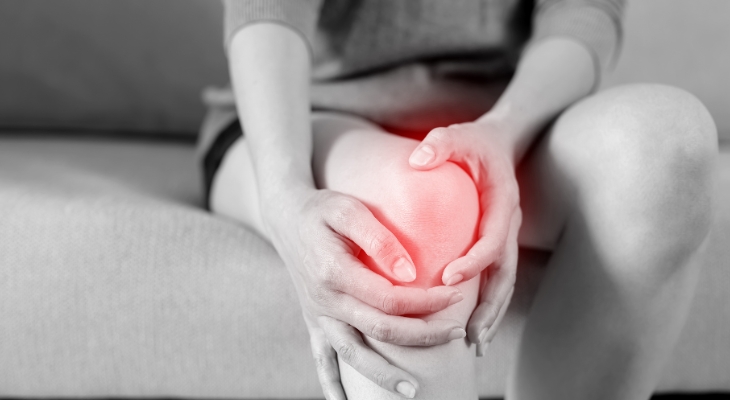
Walking again without constant knee pain is one of the biggest goals for patients undergoing Total Knee Replacement Surgery. Chronic knee pain caused by arthritis or severe joint damage often limits mobility, making simple activities like walking, climbing stairs, shopping, or even standing for a few minutes difficult. Knee replacement surgery is designed to relieve pain, restore joint function, and help patients regain confidence in their movement.
One of the most common questions patients ask before surgery is, "When will I be able to walk normally again?" While every patient's recovery is unique, understanding the typical walking milestones after surgery can help set realistic expectations and encourage a smoother rehabilitation journey.
Modern surgical techniques, improved pain management, and structured physiotherapy programs allow most patients to begin walking much sooner than many people expect. However, achieving the best results requires patience, consistency, and following your orthopedic surgeon's rehabilitation plan.
If you are planning to undergo Total Knee Replacement Surgery or are currently recovering, this guide explains what you can expect during each stage of your walking recovery.
Many patients believe complete bed rest is necessary after surgery, but the opposite is true. Early movement is one of the most important parts of recovery. Walking helps improve blood circulation, reduces the risk of blood clots, prevents muscle weakness, and promotes faster healing around the new knee joint.
Walking also helps restore confidence, improve balance, strengthen the muscles supporting the knee, and gradually increase flexibility. When combined with physiotherapy, regular walking becomes one of the most effective ways to regain independence after surgery.
Although the first few steps may feel uncomfortable, each day of consistent rehabilitation brings noticeable improvement.
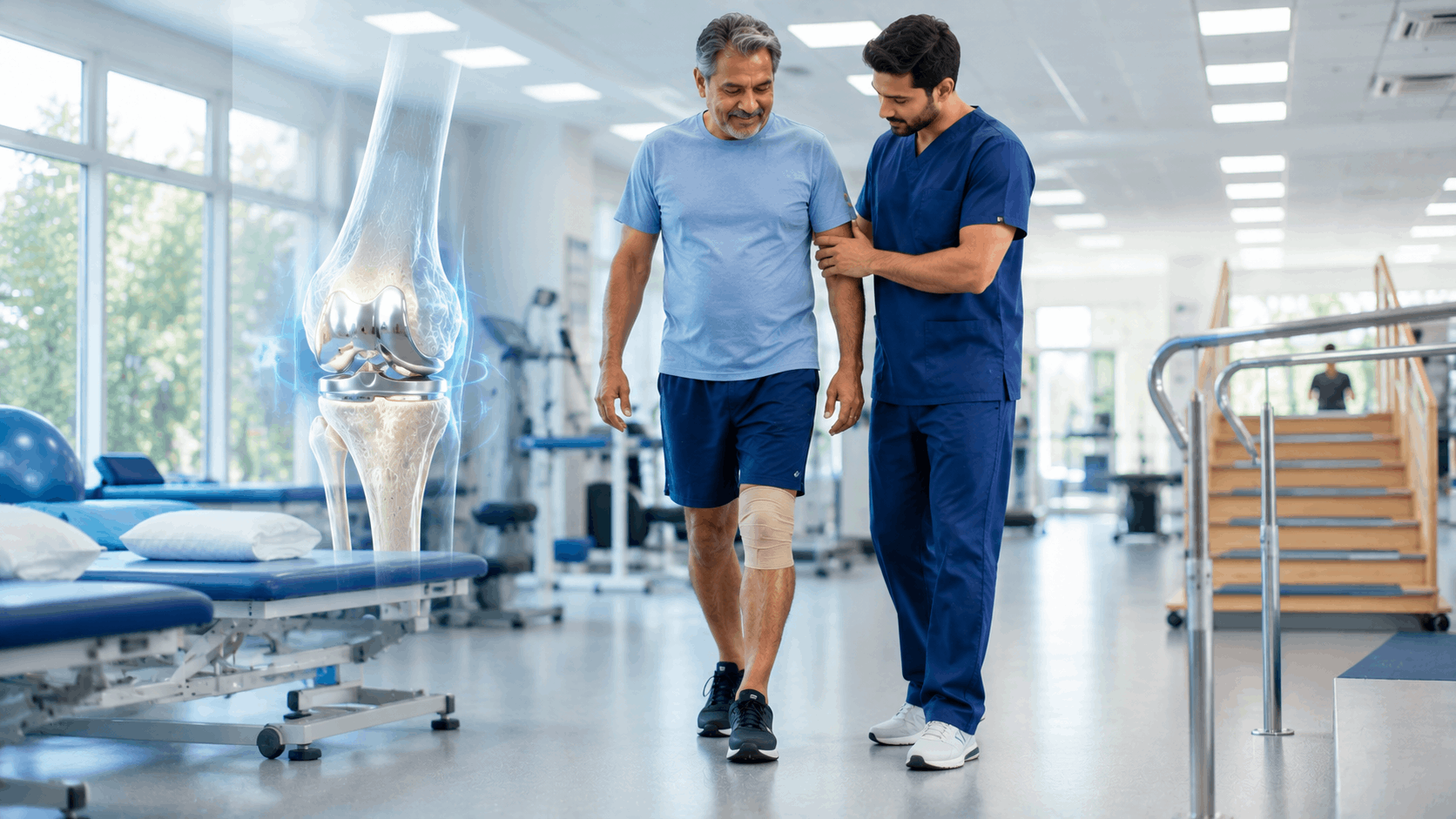
Most patients are encouraged to stand and take their first few steps within 24 hours after surgery under the supervision of a physiotherapist. This early mobilization is an important part of modern knee replacement recovery.
Initially, patients use a walker or other support device while learning how to safely put weight on the operated leg. Walking distances are short, and the primary focus is on proper posture, balance, and confidence rather than speed.
It is normal to experience mild pain, swelling, and stiffness during this stage. Pain medications and ice therapy help make movement more comfortable.
The first week focuses on gradually increasing walking distance while improving knee flexibility and muscle strength. Most patients continue using a walker during this period and begin performing regular physiotherapy exercises.
During the first week, patients are encouraged to:
Small improvements each day are completely normal and should be celebrated.
During the second, third, and fourth weeks, many patients begin walking more comfortably and require less support. Swelling gradually decreases, and knee movement improves through continued rehabilitation.
Depending on recovery progress, some patients transition from a walker to a walking stick or cane during this stage. Walking endurance also improves, allowing patients to perform more daily activities around the home.
Although progress varies from person to person, regular physiotherapy remains essential for restoring normal walking patterns.
By the end of the first month, many patients are walking with greater confidence and significantly less pain than before surgery. Most everyday activities become easier, including walking around the house, shopping, and climbing stairs.
Walking distance gradually increases as muscle strength improves. Many patients are also able to participate in low-impact activities such as stationary cycling, swimming after medical clearance, and structured rehabilitation exercises.
While walking becomes easier, patients should continue avoiding running, jumping, or high-impact sports until approved by their orthopedic surgeon.
Recovery continues well beyond the first few months. Between three months and one year after surgery, patients usually experience continued improvements in strength, flexibility, endurance, and overall knee function.
Most individuals return to an active lifestyle with minimal discomfort. Many are able to enjoy activities such as walking for exercise, traveling, gardening, golfing, and spending more time with family without the constant pain they experienced before surgery.
Maintaining regular physical activity also helps protect the artificial joint and supports long-term success.
Every patient's recovery timeline is different. Several factors influence how quickly someone regains normal walking ability after knee replacement surgery.
These include:
Patients who remain active before surgery and consistently follow their rehabilitation program often recover more quickly.
Successful recovery depends on following your surgeon's instructions and remaining committed to rehabilitation.
To support faster walking recovery:
Recovery is gradual, and consistency is far more important than speed.
Although most patients recover without major problems, certain symptoms require immediate medical attention.
Contact your orthopedic surgeon if you experience:
Early medical attention helps prevent complications and supports a safer recovery.
Successful knee replacement involves much more than the surgical procedure itself. Careful evaluation, advanced surgical techniques, structured rehabilitation, and continuous follow-up all contribute to excellent outcomes.
Dr. Praveen Reddy provides comprehensive orthopedic care using evidence-based treatment methods and personalized recovery plans. Every patient receives individualized guidance throughout the recovery journey to ensure the best possible functional outcome.
His expertise includes Total Knee Replacement Surgery, arthroscopy, sports injury treatment, fracture management, trauma care, and comprehensive orthopedic services.
Patients considering surgery may also explore Total Knee Replacement Surgery, Orthopedic Services, and Arthroscopy Surgery for complete orthopedic care.
When will I be able to walk after knee replacement surgery?
Most patients begin standing and walking with assistance within 24 hours after surgery under the supervision of a physiotherapist.
How long will I need a walker?
Many patients use a walker for two to four weeks before gradually transitioning to a walking stick or walking independently, depending on their recovery.
Is it normal to have pain while walking after surgery?
Yes. Mild pain, swelling, and stiffness are common during the early recovery period and gradually improve with rehabilitation and healing.
When can I walk without support?
Many patients begin walking independently within four to eight weeks, although recovery varies based on individual progress and overall health.
Can walking damage the new knee joint?
No. Walking is an essential part of rehabilitation and actually helps strengthen the joint when performed according to your surgeon's and physiotherapist's recommendations.
Walking after Total Knee Replacement Surgery is a gradual process, but each step brings you closer to improved mobility, greater independence, and a better quality of life. While recovery timelines differ for every patient, consistent physiotherapy, regular walking, and following your surgeon's advice are the keys to achieving the best possible outcome.
If you are considering Total Knee Replacement Surgery or are recovering after the procedure, Dr. Praveen Reddy provides expert orthopedic care, advanced surgical treatment, and personalized rehabilitation guidance to help you return to an active, pain-free lifestyle with confidence.