Hip pain can make even the simplest daily activities difficult. Walking, climbing stairs, getting out of a chair, bending to tie your shoes, or enjoying a peaceful night's sleep can become challenging when your hip joint is damaged. For many people, chronic hip pain gradually affects their independence, mobility, and overall quality of life.
While medications, physiotherapy, lifestyle modifications, and joint injections can provide relief during the early stages of hip arthritis, these treatments may become less effective as the condition progresses. When persistent pain begins interfering with everyday life, Total Hip Replacement Surgery may offer a long-term solution.
Total Hip Replacement Surgery is one of the most successful orthopedic procedures performed today. With modern surgical techniques, advanced implant technology, and structured rehabilitation programs, most patients experience significant pain relief, improved mobility, and a better quality of life after recovery.
If you are considering hip replacement surgery or have been advised to undergo the procedure, understanding how it works and what to expect can help you make informed decisions about your treatment. Dr. Praveen Reddy provides comprehensive orthopedic evaluation and personalized treatment plans to help patients regain mobility and return to an active, pain-free lifestyle.
Total Hip Replacement Surgery, also known as Total Hip Arthroplasty, is a surgical procedure in which the damaged parts of the hip joint are replaced with artificial implants designed to restore smooth movement and reduce pain.
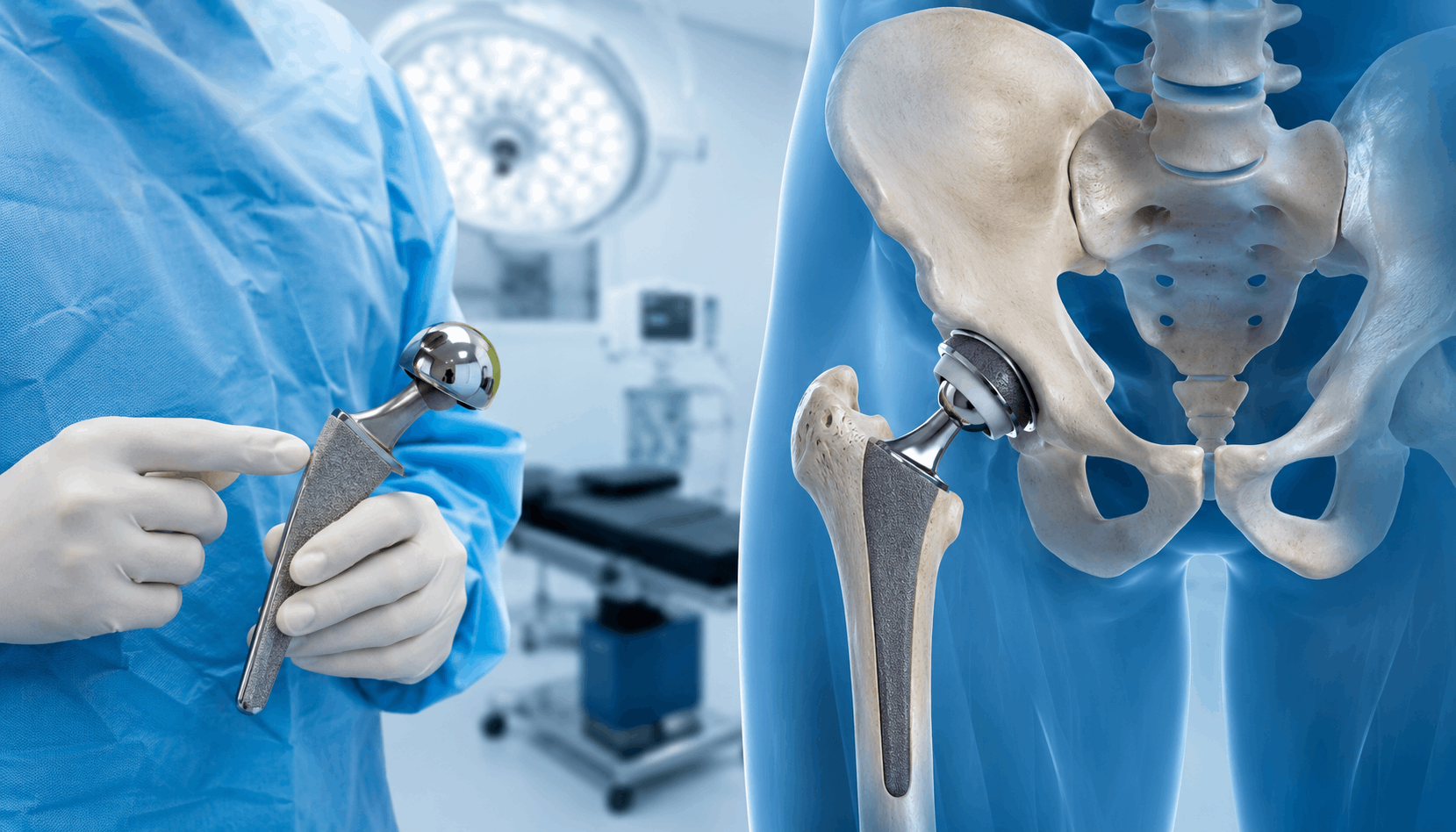
The hip is a ball-and-socket joint. The ball is formed by the head of the femur (thigh bone), while the socket is part of the pelvis. Healthy cartilage covers these surfaces, allowing the joint to move smoothly without friction.
When arthritis or injury damages the cartilage, the bones begin rubbing against each other, causing pain, stiffness, swelling, and reduced mobility. During hip replacement surgery, the damaged joint surfaces are removed and replaced with durable artificial components made from medical-grade metal, ceramic, or high-quality polyethylene.
The artificial joint is designed to function much like a natural hip, helping patients move more comfortably and confidently.
Hip replacement is usually recommended for patients whose hip joint has been severely damaged and who continue to experience significant pain despite non-surgical treatment.
Several conditions can lead to advanced hip joint damage. Osteoarthritis is the most common cause and occurs when the protective cartilage gradually wears away. Other conditions include rheumatoid arthritis, avascular necrosis, hip fractures, post-traumatic arthritis, congenital hip disorders, and severe cartilage injuries.
You may benefit from Total Hip Replacement Surgery if you experience:
A detailed orthopedic evaluation helps determine whether surgery is the most appropriate treatment option.
Proper preparation plays an important role in ensuring successful surgery and a smoother recovery.
Before the procedure, Dr. Praveen Reddy performs a comprehensive evaluation that includes reviewing your medical history, assessing your symptoms, and conducting a detailed physical examination. Imaging studies such as X-rays or MRI scans help evaluate the extent of joint damage and assist in surgical planning.
Patients may also undergo routine blood tests, heart evaluation, and other investigations to ensure they are medically fit for surgery.
Before the operation, your orthopedic team will explain the procedure, discuss expected recovery, and provide guidance on medications, exercises, and lifestyle modifications that can help improve surgical outcomes.
Hip replacement surgery is performed under spinal or general anesthesia and usually takes one to two hours, depending on the complexity of the condition.
The procedure generally involves the following steps:
First, the surgeon carefully accesses the damaged hip joint through a surgical incision. The worn-out cartilage and damaged bone surfaces are then removed while preserving as much healthy bone as possible.
Next, the damaged socket is replaced with an artificial cup, and the femoral head is replaced with a specially designed prosthetic component attached to a metal stem placed inside the thigh bone.
After confirming proper alignment, stability, and movement of the new joint, the incision is closed, and the patient is transferred to the recovery area for monitoring.
Throughout the procedure, careful attention is given to implant positioning, joint balance, and surrounding soft tissues to achieve the best possible outcome.
Total Hip Replacement Surgery has transformed the lives of millions of patients worldwide by restoring mobility and relieving chronic pain.
Many patients experience:
Most patients report that they can comfortably perform daily activities that had become difficult before surgery.
Recovery begins soon after surgery. Most patients are encouraged to stand and walk with assistance within the first day under the supervision of physiotherapists.
The initial recovery period focuses on pain management, improving circulation, restoring joint movement, and strengthening the surrounding muscles. Physiotherapy plays an essential role in helping patients regain flexibility, improve balance, and walk confidently.
Many patients return to routine daily activities within six to twelve weeks, while complete healing and muscle strengthening continue over several months.
Recovery timelines vary depending on age, overall health, physical fitness, and commitment to rehabilitation.
Following your orthopedic surgeon's recommendations can significantly improve recovery after hip replacement surgery.
Simple steps that support healing include:
Small improvements each day contribute to excellent long-term results.
Like any major surgery, hip replacement carries certain risks, although serious complications are uncommon when performed by an experienced orthopedic surgeon.
Potential complications include infection, blood clots, implant loosening, hip dislocation, leg length differences, and nerve or blood vessel injury. Careful surgical planning, modern techniques, and proper rehabilitation help minimize these risks.
Following post-operative instructions carefully also plays an important role in reducing complications.
Choosing an experienced orthopedic surgeon is one of the most important factors in achieving successful treatment and recovery.
Dr. Praveen Reddy provides comprehensive orthopedic care using advanced diagnostic techniques, evidence-based treatment methods, and modern surgical approaches. Every patient receives an individualized treatment plan based on their symptoms, medical condition, lifestyle, and long-term goals.
His expertise includes Total Hip Replacement Surgery, Total Knee Replacement Surgery, arthroscopy, sports injury treatment, fracture management, trauma care, and comprehensive orthopedic services.
Patients seeking complete orthopedic care may also benefit from Orthopedic Services, while those with advanced joint conditions can explore Joint Replacement Surgery and Hip Pain Treatment for additional information.
How long does Total Hip Replacement Surgery take?
Most hip replacement procedures take between one and two hours, depending on the patient's condition and surgical complexity.
When can I walk after hip replacement surgery?
Most patients begin standing and walking with assistance within 24 hours after surgery under the supervision of a physiotherapist.
How long do hip replacement implants last?
Modern hip implants commonly last between 15 and 20 years or longer, depending on factors such as age, activity level, body weight, and overall health.
Is Total Hip Replacement Surgery painful?
Patients receive anesthesia during surgery, and modern pain management techniques help control discomfort during recovery. Most patients eventually experience significantly less pain than before surgery.
Can I return to normal activities after hip replacement?
Yes. Following rehabilitation, most patients are able to return to walking, driving, traveling, household activities, and other routine tasks with much greater comfort.
Chronic hip pain can gradually limit your independence and reduce your quality of life. When conservative treatments no longer provide relief, Total Hip Replacement Surgery offers a safe and highly effective solution for restoring mobility and relieving long-term pain.
With modern surgical techniques, personalized rehabilitation, and expert orthopedic care, most patients achieve excellent outcomes and return to active living with renewed confidence.
If you are experiencing persistent hip pain or would like to learn more about Total Hip Replacement Surgery, consult Dr. Praveen Reddy for a comprehensive orthopedic evaluation and a personalized treatment plan tailored to your needs.