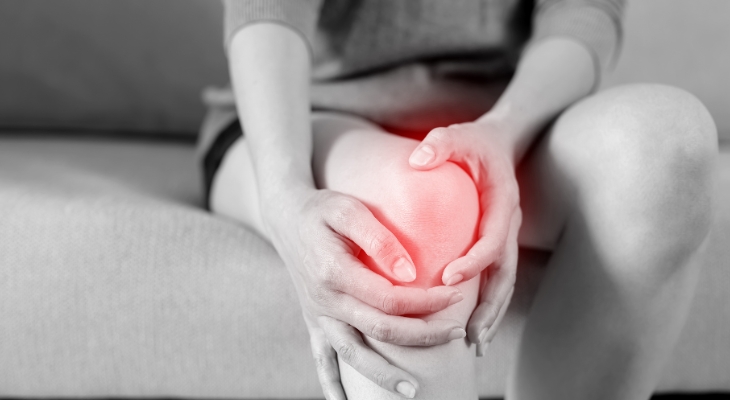
Living with chronic knee pain can make even the simplest daily activities feel challenging. Walking short distances, climbing stairs, standing for long periods, or enjoying time with family may become increasingly difficult due to severe arthritis or advanced joint damage. For many patients, Robotic Knee Replacement Surgery offers a new beginning by relieving pain, restoring mobility, and improving overall quality of life.
One of the most common questions patients ask before surgery is, "What will life be like after robotic knee replacement?" While every patient's recovery is unique, most people experience significant improvements in comfort, movement, and independence after completing rehabilitation.
Modern robotic-assisted knee replacement combines the expertise of the orthopedic surgeon with advanced technology that helps improve surgical precision and personalized implant placement. This allows many patients to achieve excellent long-term outcomes and confidently return to everyday activities.
If you are considering robotic knee replacement or preparing for surgery, understanding the recovery journey and the changes you can expect will help you approach treatment with greater confidence.
Robotic Knee Replacement Surgery is an advanced form of Total Knee Replacement that uses robotic-assisted technology to support the orthopedic surgeon during the procedure. Contrary to a common misconception, the robot does not perform the surgery independently. The surgeon remains in complete control throughout the operation.
The robotic system creates a detailed three-dimensional model of the knee, allowing the surgeon to carefully plan implant positioning and alignment before surgery begins. During the procedure, real-time guidance helps improve accuracy while preserving healthy bone and surrounding soft tissues wherever possible.
The goal is to create a well-balanced knee joint that functions naturally and provides long-term pain relief.
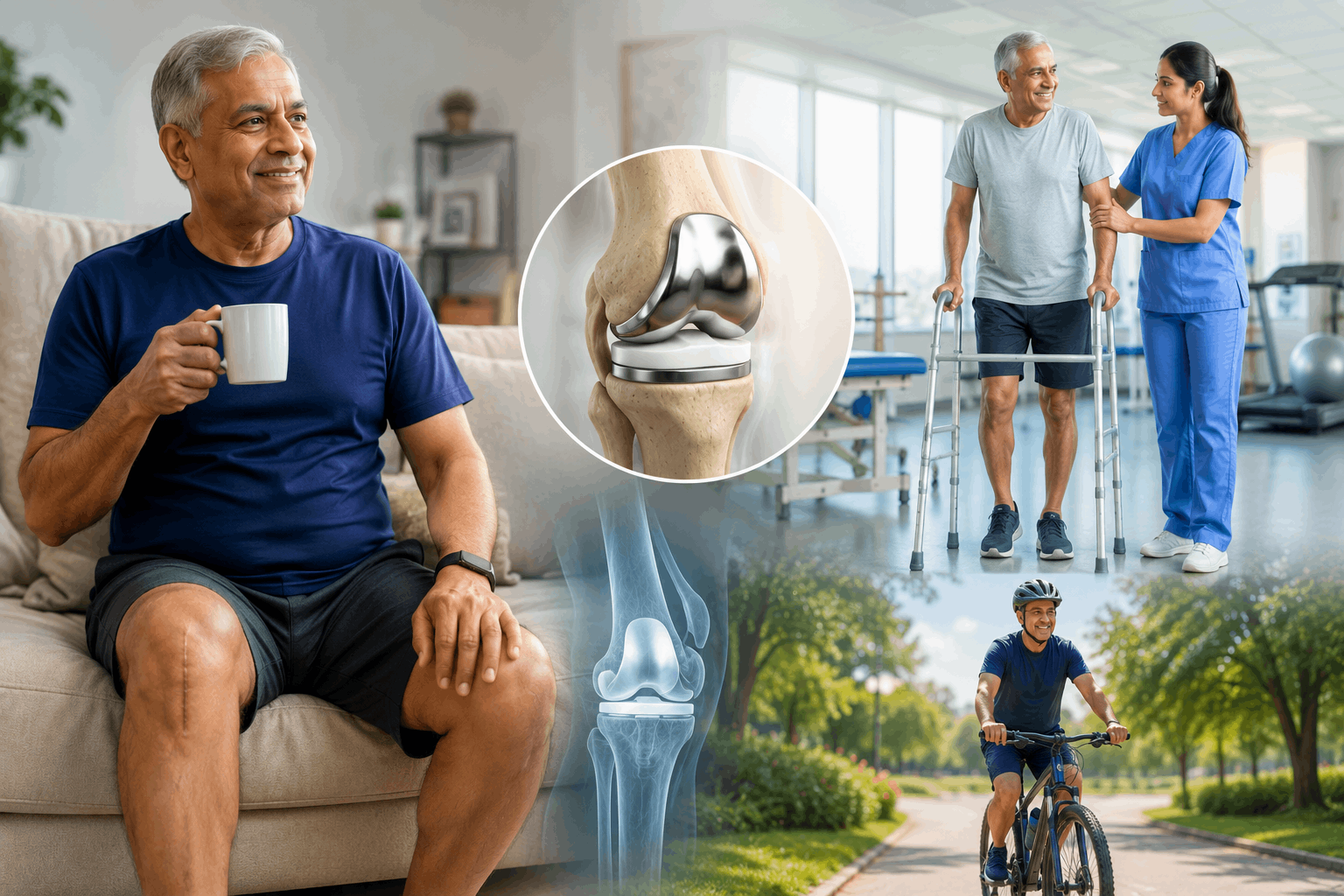
The first few days after surgery focus on pain management, early movement, and beginning rehabilitation. Patients are encouraged to stand and walk with assistance as early as the first day after surgery under the supervision of physiotherapists.
Although mild swelling, stiffness, and discomfort are expected, these symptoms gradually improve with medication, physiotherapy, and regular movement.
Early walking plays an important role in improving blood circulation, reducing the risk of blood clots, and helping patients regain confidence in using their new knee.
One of the biggest changes patients notice after robotic knee replacement is the gradual return of mobility. Before surgery, many people avoid walking because of severe pain. As recovery progresses, everyday activities become much easier.
Over the following weeks, patients often find that they can:
Although improvement is gradual, consistent physiotherapy and regular exercise help accelerate recovery.
For most patients, one of the greatest benefits of robotic knee replacement is significant pain relief. The chronic pain caused by worn-out cartilage and arthritic joint surfaces is replaced by a stable artificial joint designed for smooth movement.
Some temporary discomfort related to healing is expected during the recovery period, but this is very different from the persistent arthritis pain experienced before surgery.
As healing continues, patients often notice improved sleep, increased activity levels, and greater comfort throughout the day.
Many patients are surprised by how much easier routine activities become after successful rehabilitation. Everyday tasks that once caused discomfort gradually become part of normal life again.
Most patients eventually return to activities such as:
Returning to these activities helps improve both physical health and emotional well-being.
Yes. In fact, regular physical activity is encouraged after recovery because it helps strengthen the muscles around the knee and maintain long-term joint function.
Most orthopedic surgeons recommend low-impact exercises such as walking, swimming, cycling, stretching, and supervised strengthening exercises.
High-impact sports involving running, jumping, or sudden twisting movements are generally discouraged because they may increase wear on the artificial joint.
Your rehabilitation team will recommend an exercise program that is appropriate for your age, health, and activity level.
Recovery varies from person to person, but most patients notice significant improvement within the first six to twelve weeks after surgery.
Walking becomes easier with each passing week, and many patients return to most routine activities within two to three months. However, complete healing, muscle strengthening, and adaptation to the new knee continue over several months.
Remaining committed to physiotherapy is one of the most important factors influencing successful long-term recovery.
The improvements following robotic knee replacement often extend far beyond pain relief. Many patients experience greater confidence, improved independence, and a much better quality of life.
Long-term benefits may include:
Individual outcomes vary, but most patients experience substantial improvement compared to their condition before surgery.
Although modern knee implants are highly durable, patients play an important role in maintaining long-term joint health.
Simple lifestyle habits can help maximize the lifespan of the artificial knee:
Consistent care helps protect the implant and supports long-term success.
Successful robotic knee replacement requires advanced surgical expertise, careful planning, and personalized rehabilitation. Dr. Praveen Reddy provides comprehensive orthopedic care using modern treatment techniques and evidence-based surgical practices.
Every patient receives an individualized treatment plan based on their symptoms, lifestyle, medical condition, and recovery goals. From the initial consultation through rehabilitation, patients receive continuous guidance designed to achieve the best possible outcome.
His areas of expertise include Robotic Knee Replacement Surgery, Total Knee Replacement, arthroscopy, sports injury treatment, fracture management, trauma care, and comprehensive orthopedic services.
Patients may also explore Total Knee Replacement Surgery, Walking After Knee Replacement Surgery, and Orthopedic Services for additional information about treatment and recovery.
How soon can I walk after robotic knee replacement surgery?
Most patients begin standing and walking with assistance within 24 hours after surgery. Walking ability gradually improves over the following weeks with regular physiotherapy.
Is robotic knee replacement more accurate than conventional surgery?
Robotic-assisted technology allows the orthopedic surgeon to plan the procedure with greater precision and optimize implant positioning. The surgeon remains fully in control throughout the operation.
Can I return to normal daily activities after surgery?
Yes. Most patients gradually return to walking, shopping, driving after medical clearance, household activities, and other routine tasks once rehabilitation progresses.
Will my artificial knee feel natural?
Many patients report that the new knee feels increasingly natural as muscles strengthen and rehabilitation progresses. Individual experiences vary depending on overall health and recovery.
How long do robotic knee replacement implants last?
Modern knee implants commonly last 15 to 20 years or longer, depending on activity level, body weight, overall health, and proper long-term care.
Robotic Knee Replacement Surgery has transformed the way severe knee arthritis is treated by combining advanced technology with surgical expertise to improve precision and patient outcomes. For many patients, life after surgery brings significant pain relief, better mobility, greater independence, and renewed confidence in everyday activities.
If chronic knee pain is limiting your lifestyle and conservative treatments are no longer effective, consult Dr. Praveen Reddy for a comprehensive orthopedic evaluation. With advanced robotic-assisted knee replacement techniques and personalized rehabilitation, he can help you return to a healthier, more active, and pain-free life.