For many people living with severe knee arthritis or chronic joint pain, Total Knee Replacement Surgery offers the opportunity to regain mobility and enjoy a better quality of life. However, one of the most common questions patients ask before deciding on surgery is, "How long will a knee replacement implant last?"
This is a natural concern, especially for younger and active individuals who want reassurance that the artificial joint will continue to function well for many years. Fortunately, advances in orthopedic surgery, implant materials, and surgical techniques have significantly improved the durability and performance of modern knee replacement implants.
While no artificial joint lasts forever, most modern knee implants provide excellent long-term function and allow patients to return to an active, pain-free lifestyle. Understanding the factors that influence implant longevity can help you make informed decisions and take the necessary steps to maximize the lifespan of your new knee.
Dr. Praveen Reddy provides comprehensive evaluation, advanced knee replacement surgery, and personalized post-operative care to help patients achieve the best possible long-term outcomes.
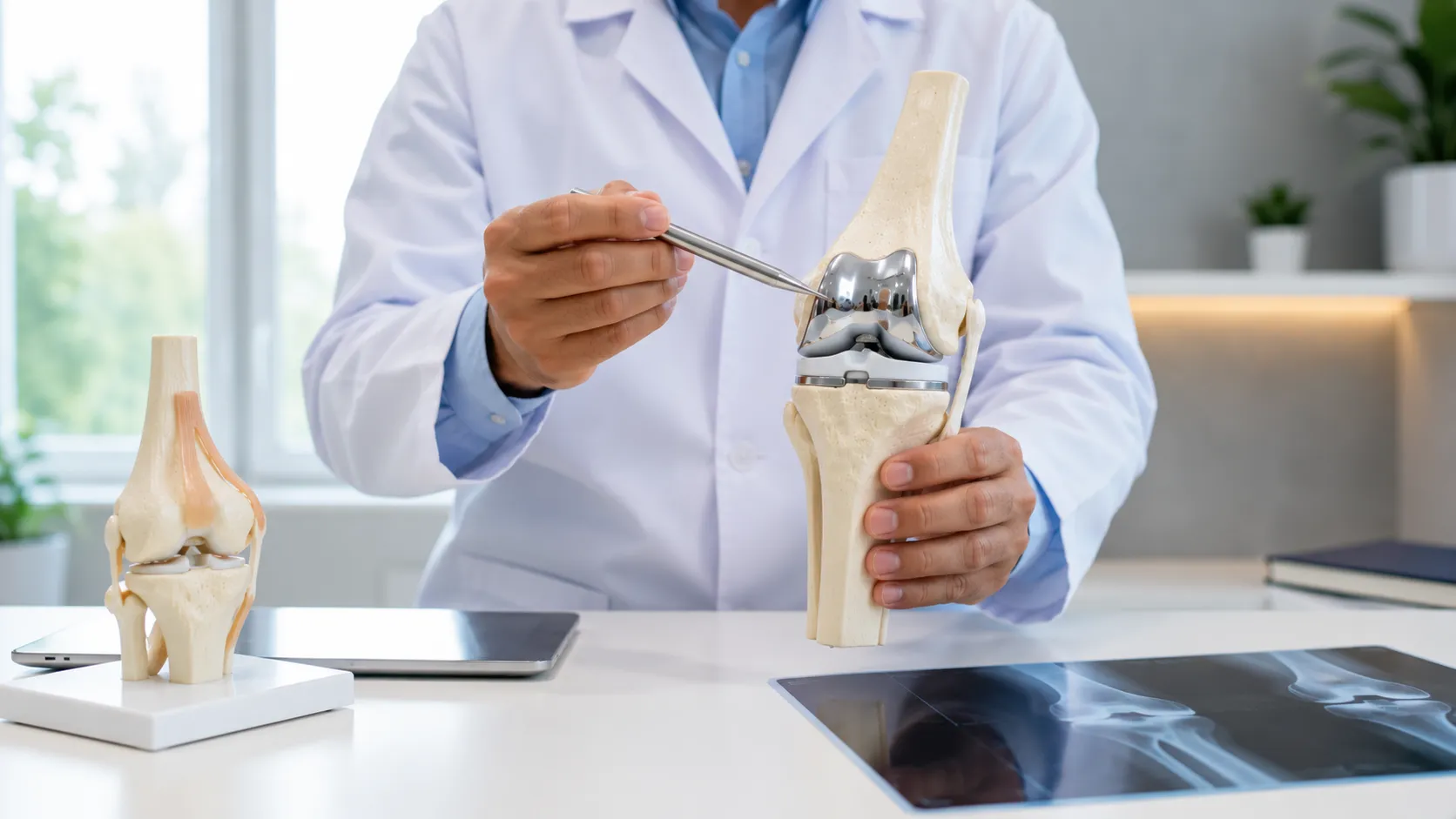
A knee replacement implant is an artificial joint that replaces the damaged surfaces of the knee during Total Knee Replacement Surgery. The implant is designed to mimic the natural movement of the knee while reducing pain and restoring stability.
Modern knee implants are typically made from high-quality medical-grade materials such as metal alloys, durable polyethylene plastic, and specialized ceramics in selected cases. These materials are carefully chosen for their strength, durability, and ability to withstand years of everyday movement.
Once implanted, the artificial joint allows the bones to move smoothly against one another, reducing friction and relieving the pain caused by worn-out cartilage.
Thanks to continuous advancements in orthopedic technology, most modern knee replacement implants last between 15 and 20 years, and many continue functioning well for 20 to 25 years or even longer.
Long-term clinical studies have shown that a large percentage of patients continue to have well-functioning implants many years after surgery. Improvements in implant design, surgical precision, and rehabilitation have all contributed to better long-term outcomes.
While every patient is different, many people who undergo knee replacement today can expect their implant to provide reliable function for decades when combined with appropriate care and a healthy lifestyle.
Although knee implants are designed to be highly durable, several factors influence how long they will continue functioning effectively.
One of the most important factors is the patient's age at the time of surgery. Younger individuals generally place more stress on their artificial joints because they remain active for a longer period. Older patients often experience excellent implant longevity because their activity levels tend to be lower.
Body weight also plays an important role. Excess weight places additional pressure on the knee joint during walking, climbing stairs, and other daily activities. Maintaining a healthy weight helps reduce stress on the implant and may improve its longevity.
Activity level is another important consideration. Walking, swimming, cycling, and other low-impact exercises are encouraged after recovery because they strengthen muscles without placing excessive stress on the joint. High-impact activities such as running, jumping, or contact sports may increase wear on the implant over time.
Finally, the experience of the orthopedic surgeon, proper implant positioning, successful rehabilitation, and regular follow-up appointments all contribute significantly to long-term success.
Like any mechanical device, knee replacement implants gradually experience wear over many years of use. However, modern implants are specifically designed to minimize wear and withstand millions of movement cycles.
Most patients never experience significant problems during the normal lifespan of their implant. In some cases, however, gradual wear, loosening of components, infection, or trauma may eventually require revision knee replacement surgery.
Regular orthopedic follow-up helps detect any changes early before they become more serious.
Most patients enjoy years of pain-free movement after surgery. However, it is important to recognize symptoms that should be evaluated by an orthopedic specialist.
You should consult your orthopedic surgeon if you notice:
Early evaluation allows timely treatment and helps prevent further complications.
Patients play an important role in protecting their new knee joint. Following healthy lifestyle habits can significantly improve implant longevity.
Simple steps include:
Consistent care helps keep the artificial joint functioning well for many years.
Many people believe knee replacement should only be performed after the age of 70. This is no longer true.
Advances in implant technology have made knee replacement a successful option for carefully selected younger patients with severe arthritis, advanced joint damage, or debilitating pain that no longer responds to conservative treatment.
The decision depends on pain severity, joint condition, lifestyle, and overall health rather than age alone.
The success and longevity of a knee replacement implant begin with proper surgical planning and precise implant placement.
Dr. Praveen Reddy provides advanced orthopedic care using modern surgical techniques and evidence-based treatment protocols. Every patient undergoes a detailed evaluation to determine the most appropriate treatment plan based on their individual condition and long-term goals.
His patient-centered approach emphasizes accurate diagnosis, personalized care, advanced surgical expertise, and structured rehabilitation to help patients achieve lasting pain relief and improved mobility.
His expertise includes Total Knee Replacement Surgery, arthroscopy, sports injury treatment, fracture management, trauma care, and comprehensive orthopedic services.
Patients may also explore Total Knee Replacement Surgery, Walking After Knee Replacement Surgery and Orthopedic Services for additional information about treatment and recovery.
How long does a knee replacement implant usually last?
Most modern knee replacement implants last between 15 and 20 years, and many continue functioning successfully for 20 to 25 years or longer with proper care.
Can a knee replacement last for life?
In some older patients, the implant may last for the remainder of their lifetime. Younger and more active patients may eventually require revision surgery because the implant experiences more years of use.
What causes a knee implant to wear out?
Natural wear over time, excessive body weight, high-impact activities, trauma, infection, and implant loosening can all affect implant longevity.
Can exercise damage my knee replacement?
Low-impact exercises such as walking, swimming, cycling, and strengthening exercises are encouraged. High-impact sports should generally be avoided unless approved by your orthopedic surgeon.
How often should I visit my orthopedic surgeon after knee replacement?
Regular follow-up visits allow your surgeon to monitor the implant, assess joint function, and identify any potential problems before they become serious.
Modern Total Knee Replacement Surgery offers long-lasting relief for patients suffering from severe knee pain and arthritis. Thanks to continuous advancements in implant design and surgical techniques, today's knee replacement implants provide excellent durability, with many lasting well over two decades.
Maintaining a healthy lifestyle, staying active, following rehabilitation advice, and attending regular orthopedic follow-ups can help maximize the lifespan of your new knee.
If you are considering Total Knee Replacement Surgery or have questions about knee replacement implants, consult Dr. Praveen Reddy for expert orthopedic evaluation, personalized treatment, and comprehensive long-term joint care.Flin