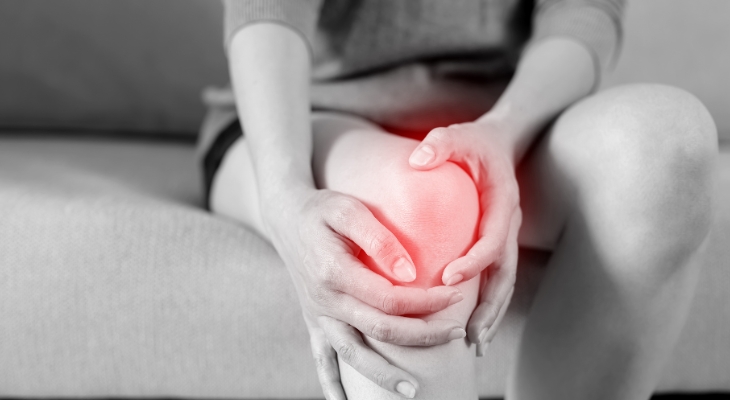
Living with chronic joint pain can affect much more than physical movement. When arthritis or severe joint damage makes walking, climbing stairs, exercising, working, or sleeping difficult, everyday life can become increasingly restrictive. Many patients gradually stop doing activities they enjoy because they are afraid of pain or simply cannot move comfortably.
Joint Replacement Surgery can provide a major improvement for patients with advanced joint damage who have not found sufficient relief through non-surgical treatment. By replacing damaged joint surfaces with artificial components, the procedure aims to reduce pain, restore movement, and help patients regain independence.
Modern joint replacement techniques, improved implant materials, advanced surgical planning, and structured rehabilitation have made these procedures highly effective for appropriately selected patients. Whether the affected joint is the knee or hip, successful replacement surgery can help patients return to activities that were previously limited by pain.
For patients considering surgery, understanding how joint replacement can affect different aspects of daily life can make the decision easier and provide realistic expectations about recovery.
Joint Replacement Surgery is a procedure in which damaged portions of a joint are removed and replaced with artificial components. The aim is to restore joint function and provide relief from pain caused by severe cartilage loss or structural damage.
Knee and hip replacements are among the most common joint replacement procedures. In knee replacement, damaged surfaces of the knee are replaced with prosthetic components. In hip replacement, the damaged ball and socket of the hip are replaced with artificial components designed to allow smooth movement.
Joint replacement is generally considered when arthritis or other joint conditions have progressed to the point where pain and reduced mobility significantly affect quality of life.
Severe arthritis can gradually change a person's lifestyle. Pain may initially occur only after prolonged activity, but as joint damage progresses, it can become more frequent and severe.
Patients may begin avoiding stairs, walking shorter distances, or giving up exercise. Some may struggle with household activities or require help from family members. Persistent pain can also interfere with sleep, leading to fatigue during the day.
Reduced physical activity may contribute to muscle weakness and decreased fitness, which can make movement even more difficult. This cycle can affect emotional well-being and confidence as well.
Joint replacement aims to break this cycle by addressing the damaged joint itself.
Pain relief is one of the most important benefits of successful joint replacement surgery.
Advanced arthritis can cause pain because the protective cartilage within the joint has become severely worn or damaged. During replacement surgery, the damaged surfaces are removed and replaced with artificial components that allow the joint to move more smoothly.
As healing progresses, many patients experience a substantial reduction in the chronic pain that previously limited their activities.
It is important to remember that some pain and swelling are normal during the early recovery period. The improvement occurs gradually as tissues heal and rehabilitation progresses.
Joint pain often causes people to reduce their walking because movement becomes uncomfortable. Over time, this can lead to muscle weakness and reduced endurance.
After joint replacement, rehabilitation focuses on restoring strength, flexibility, balance, and walking ability. Patients usually begin walking with assistance soon after surgery when medically appropriate.
As recovery continues, many patients are able to walk farther and perform everyday movements with greater confidence.
Improved mobility can have a positive effect on many other areas of health and independence.
Severe knee or hip arthritis can make patients dependent on family members for routine activities. Simple tasks such as getting dressed, bathing, shopping, preparing meals, or moving around the house may become difficult.
Successful joint replacement can help patients regain independence by improving their ability to move safely and comfortably.
For many people, being able to perform daily activities without constant assistance is one of the most meaningful changes after surgery.
Chronic joint pain can make it difficult to fall asleep or stay asleep throughout the night. Patients may wake frequently because of discomfort or struggle to find a comfortable sleeping position.
When the underlying joint pain is significantly reduced after replacement surgery, sleep may improve as recovery progresses.
Better sleep can contribute to improved energy, concentration, mood, and overall well-being.
Once the joint has adequately healed and the patient has received medical clearance, regular physical activity becomes an important part of maintaining health.
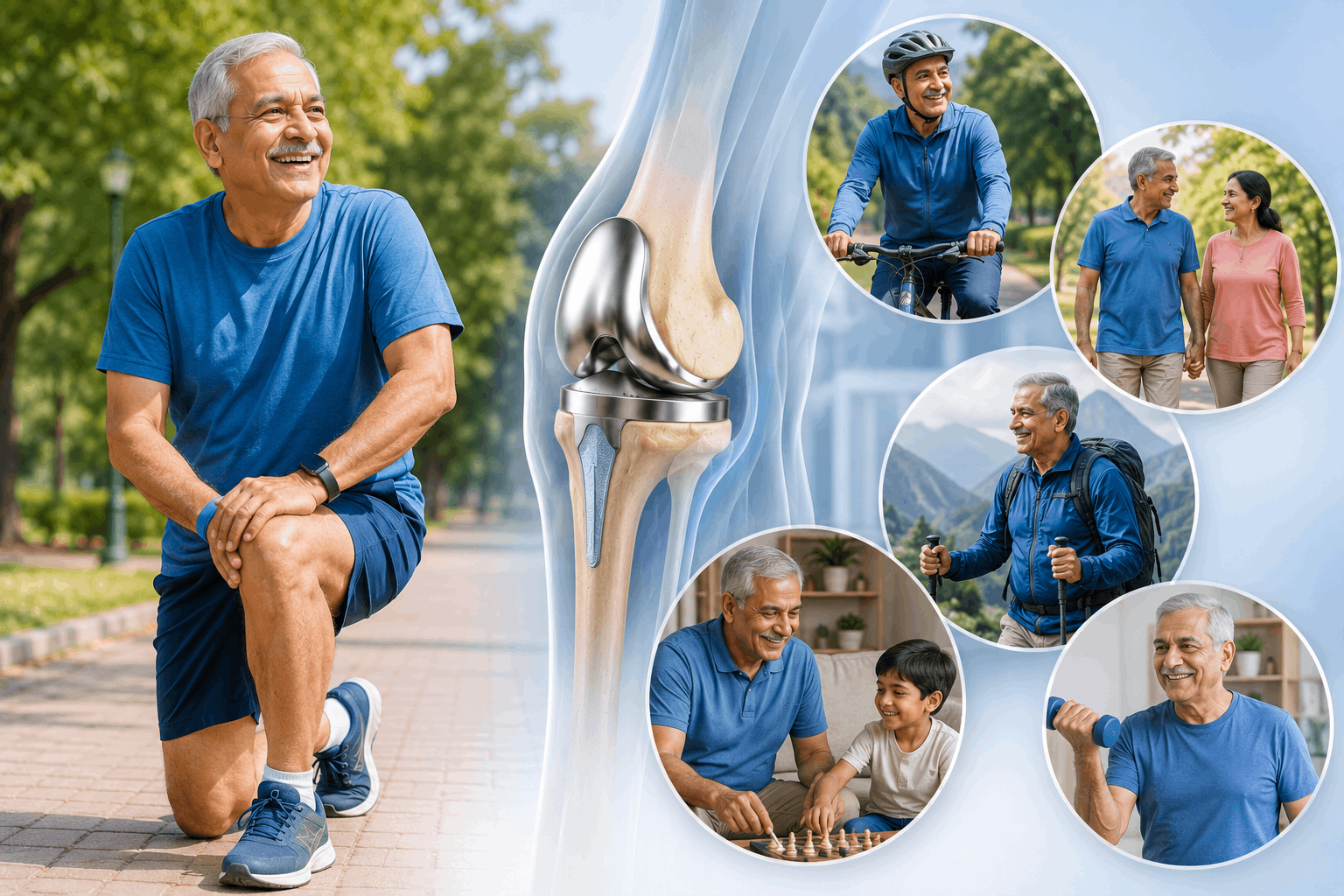
Many patients can return to low-impact activities such as:
These activities can help maintain muscle strength and joint function while supporting cardiovascular health.
High-impact activities involving repeated jumping, running, or sudden twisting may not be suitable for everyone. The appropriate level of activity should be discussed with your orthopedic surgeon.
The effects of chronic pain are not limited to the body. Constant discomfort and reduced mobility can cause frustration, social withdrawal, and loss of confidence.
When patients can move more comfortably and participate in everyday activities again, they may experience improvements in confidence and emotional well-being.
Being able to go shopping, meet friends, travel, spend time with family, or participate in hobbies without constantly thinking about joint pain can make a significant difference in overall quality of life.
Many patients undergo joint replacement because they want to return to activities that have gradually become difficult.
After successful recovery, patients may find it easier to:
The goal is not simply to replace a damaged joint but to help patients regain a more active and independent lifestyle.
Maintaining mobility is particularly important as people age. Regular movement helps support muscle strength, balance, cardiovascular health, and independence.
A painful joint can make people increasingly inactive. Joint replacement can help restore the ability to move more comfortably, allowing patients to participate in appropriate physical activities after recovery.
Maintaining an active lifestyle following surgery may also help patients manage body weight and support the health of the muscles surrounding the artificial joint.
Recovery after joint replacement is gradual. Many patients begin walking with assistance shortly after surgery, but the new joint needs time to heal and the surrounding muscles need to regain strength.
During the first few weeks, patients typically focus on pain management, wound care, walking, and physiotherapy. Mobility usually improves progressively over the following weeks.
Many patients return to routine activities within several weeks to a few months, although complete recovery can continue for several months depending on the type of surgery and individual health.
Following the rehabilitation plan consistently is essential for achieving the best possible functional outcome.
The results of joint replacement can vary between patients. Several factors influence recovery and long-term satisfaction.
These include the severity of joint damage before surgery, overall health, muscle strength, body weight, age, activity level, and commitment to rehabilitation.
Having realistic expectations is also important. Joint replacement is designed primarily to relieve pain and improve function. Recovery does not necessarily mean that the joint will feel exactly like a natural joint or that every physical activity will be possible.
A personalized discussion with an orthopedic surgeon can help establish realistic goals.
Taking care of your artificial joint after recovery can support long-term function.
Maintaining a healthy body weight reduces unnecessary stress on the joint. Regular low-impact exercise helps maintain muscle strength and mobility. Patients should also follow their surgeon's recommendations regarding physical activity and attend scheduled follow-up appointments.
Avoiding unnecessary high-impact stress and taking precautions to prevent falls or serious injuries can also help protect the artificial joint.
Choosing an experienced orthopedic surgeon is an important part of the joint replacement journey. Dr. Praveen Reddy provides comprehensive orthopedic care with an emphasis on accurate diagnosis, personalized treatment planning, modern surgical techniques, and structured recovery.
Each patient is evaluated individually based on symptoms, imaging findings, medical history, lifestyle, and long-term mobility goals. Whenever appropriate, non-surgical treatments are considered before surgery is recommended.
His areas of expertise include knee replacement, hip replacement, arthroscopy, sports injury treatment, fracture management, trauma care, and comprehensive orthopedic treatment.
How does joint replacement surgery improve quality of life?
Joint replacement can significantly reduce pain caused by severe joint damage and improve mobility. As movement becomes easier, patients may regain independence, sleep more comfortably, participate in everyday activities, and return to appropriate physical activities.
Will joint replacement completely eliminate my pain?
Many patients experience substantial relief from the chronic pain caused by advanced arthritis. However, recovery-related pain and stiffness are common during the early weeks after surgery, and individual results vary.
Can I walk normally after joint replacement surgery?
Many patients regain comfortable and independent walking after completing rehabilitation. The timeline depends on the joint replaced, overall health, muscle strength, and recovery progress.
Can I exercise after joint replacement surgery?
Yes. After adequate healing and medical clearance, low-impact activities such as walking, swimming, cycling, and strengthening exercises are generally encouraged. Your orthopedic surgeon can advise you about activities appropriate for your condition.
Does joint replacement improve independence?
It can. When severe joint pain and stiffness limit daily activities, successful replacement surgery may help patients perform tasks such as walking, shopping, climbing stairs, and household activities with less assistance.
Joint Replacement Surgery can improve quality of life in several ways. By addressing severe joint damage, it can provide significant pain relief, improve mobility, restore independence, and help patients return to activities they may have gradually stopped enjoying.
However, surgery is not the right solution for every person with joint pain. The decision should be based on the severity of symptoms, joint damage, response to non-surgical treatment, overall health, and the impact of the condition on daily life.
If persistent knee or hip pain is limiting your mobility or preventing you from enjoying everyday activities, a comprehensive orthopedic evaluation can help you understand your treatment options. Dr. Praveen Reddy provides personalized orthopedic care focused on pain relief, functional recovery, and helping patients achieve a more active and independent lifestyle.