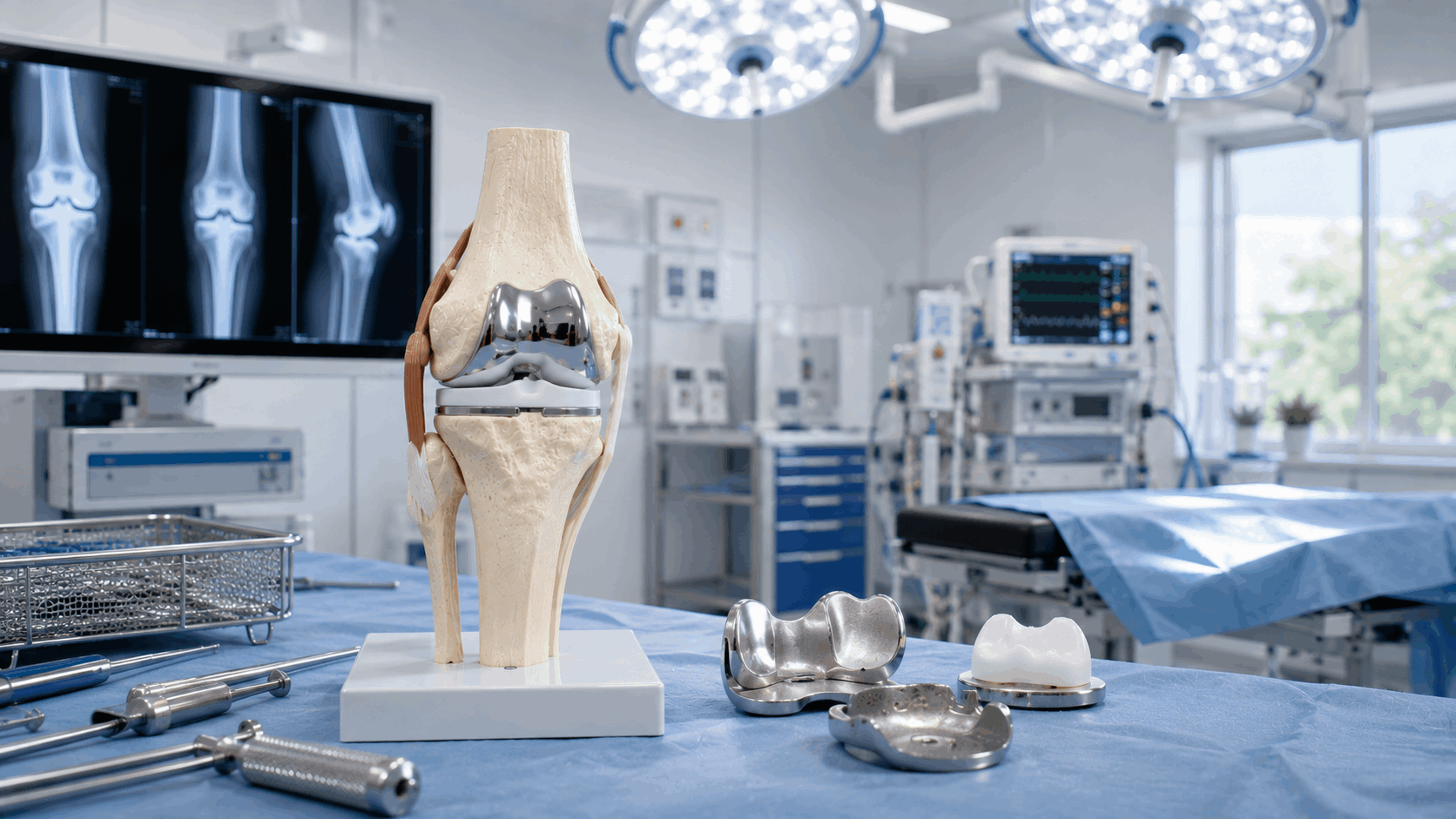
Knee pain caused by arthritis, injury, or age-related wear and tear can significantly impact your daily life. Simple tasks like walking, climbing stairs, getting out of a chair, or enjoying your favorite activities may become difficult and painful. While Total Knee Replacement Surgery has helped millions of people regain mobility and live pain-free, many patients hesitate to consider the procedure because of common myths and misconceptions.
Misinformation often causes unnecessary fear, leading people to delay treatment until their condition becomes much worse. In reality, modern knee replacement surgery is one of the safest and most successful orthopedic procedures available today, offering excellent long-term outcomes for appropriately selected patients.
If you are considering knee replacement surgery, understanding the facts behind these common myths can help you make informed decisions about your health. Dr. Praveen Reddy provides comprehensive evaluation, advanced surgical care, and personalized treatment plans to help patients achieve lasting pain relief and improved mobility.
Total Knee Replacement Surgery, also known as Total Knee Arthroplasty, involves replacing damaged cartilage and bone within the knee joint with specially designed artificial implants. The goal is to relieve chronic pain, restore normal joint function, and improve quality of life.
The procedure is commonly recommended for patients with advanced osteoarthritis, rheumatoid arthritis, severe knee injuries, or significant joint damage that no longer responds to medications, physiotherapy, injections, or lifestyle modifications.
Thanks to advances in surgical techniques, anesthesia, implant technology, and rehabilitation programs, knee replacement surgery has become safer, less invasive, and more successful than ever before.
One of the biggest misconceptions is that knee replacement surgery is meant only for senior citizens.
The truth is that age alone does not determine whether someone is a candidate for surgery. Orthopedic surgeons consider several factors, including the severity of joint damage, level of pain, mobility limitations, overall health, and how much the condition affects daily life.
Some younger patients with severe arthritis, sports injuries, or joint deformities may also benefit from knee replacement if conservative treatments have failed.
The decision is based on the patient's condition—not simply their age.
Many people believe they should tolerate knee pain for as long as possible before considering surgery.
In reality, waiting too long may actually make recovery more challenging. Severe joint damage can lead to muscle weakness, reduced mobility, joint deformity, and decreased overall fitness.
Seeking orthopedic evaluation early allows patients to explore all available treatment options. If surgery eventually becomes necessary, undergoing the procedure before extensive joint deterioration often leads to better outcomes and smoother rehabilitation.
Fear of pain is one of the most common reasons patients postpone surgery.
While some discomfort is expected after any surgical procedure, modern pain management techniques have significantly improved the recovery experience. Advanced anesthesia, nerve blocks, pain medications, and structured rehabilitation programs help keep postoperative pain under control.
In fact, most patients report that the pain from recovery is temporary and much easier to manage than the chronic knee pain they experienced before surgery.
Another common misconception is that recovery from knee replacement surgery takes years.
Although complete healing continues over several months, many patients begin standing and walking with assistance within 24 hours after surgery. Most people gradually resume everyday activities within six to twelve weeks, while strength and flexibility continue improving over the following months.
Following physiotherapy consistently plays a major role in achieving faster recovery and better long-term results.
Many patients worry that a knee replacement will wear out quickly and require another surgery within a few years.
Fortunately, modern knee implants are designed to be highly durable. With appropriate activity levels and regular follow-up care, many knee replacements continue functioning well for 15 to 20 years or even longer.
Advancements in implant materials and surgical precision have significantly improved the longevity of knee replacement procedures.
Some patients believe they will never return to an active lifestyle after surgery.
The reality is exactly the opposite. The primary goal of Total Knee Replacement Surgery is to help patients regain mobility and enjoy daily activities with much less pain.
After successful rehabilitation, many patients comfortably participate in activities such as:
High-impact sports may still be discouraged, but most patients enjoy a far more active lifestyle than they did before surgery.
Many people think orthopedic surgeons immediately recommend surgery for knee pain.
This is not true. Surgery is usually considered only after non-surgical treatments have failed to provide adequate relief.
Depending on the patient's condition, treatment may initially include:
Only when these options no longer relieve pain or improve function does knee replacement become the recommended solution.
Patients with arthritis in both knees often assume both joints must be replaced during the same operation.
In reality, treatment is individualized. Some patients benefit from replacing one knee first, while others may be suitable candidates for simultaneous bilateral knee replacement.
Your orthopedic surgeon will recommend the safest and most effective approach based on your health, symptoms, and recovery goals.
Successful knee replacement depends not only on the procedure itself but also on accurate diagnosis, careful surgical planning, modern techniques, and structured rehabilitation.
Dr. Praveen Reddy provides patient-focused orthopedic care using evidence-based treatment methods and advanced surgical techniques. Every patient receives a personalized treatment plan based on their condition, lifestyle, and long-term goals.
His expertise includes Total Knee Replacement Surgery, arthroscopy, sports injury treatment, fracture management, trauma care, and comprehensive orthopedic services.
Patients considering surgery may also benefit from Orthopedic Services, while those exploring minimally invasive options can learn more about Arthroscopy Surgery. Individuals with persistent joint pain may also consult for Knee Pain Treatment before deciding on surgery.
Is knee replacement surgery safe?
Yes. Total Knee Replacement Surgery is considered one of the safest and most successful orthopedic procedures when performed by an experienced orthopedic surgeon using modern techniques.
How long do knee replacement implants last?
Most modern implants last between 15 and 20 years or longer, depending on activity level, weight, overall health, and proper follow-up care.
Can I avoid surgery with physiotherapy?
In many early cases, physiotherapy, medications, and lifestyle modifications can effectively manage symptoms. Surgery is recommended only when conservative treatments are no longer effective.
Will I be able to walk normally after surgery?
Most patients regain comfortable walking and significantly improved mobility after rehabilitation. Regular physiotherapy is essential for achieving the best outcome.
How soon can I return to normal activities?
Most patients resume many daily activities within six to twelve weeks, while complete recovery continues over several months.
Believing common myths about knee replacement surgery can delay treatment and prolong unnecessary pain. Modern Total Knee Replacement Surgery is a safe, highly effective procedure that has helped millions of patients regain mobility and improve their quality of life.
If chronic knee pain is limiting your daily activities and conservative treatments are no longer providing relief, consulting an experienced orthopedic specialist is the first step toward finding the right solution.
Dr. Praveen Reddy offers comprehensive evaluation, advanced surgical expertise, and personalized orthopedic care to help patients achieve lasting pain relief, better mobility, and a healthier, more active future.